
Comprehensive History of Pasrur Tehsil: From Baburnama to British Era
- اسپانسرڈ اشتہار / Advertisement -
پسرور کا نمبر 1 ڈیجیٹل پورٹل - اشتہار کی جگہ
یہاں اپنا اشتہار یا بینر لگانے کے لیے ہم سے رابطہ کریں
اشتہار بک کروائیں
🎙️ اپنا پسرور ڈیپ ڈائیو (Google NotebookLM انداز)2-میزبان آڈیو پوڈکاسٹ
مستند قدرتی اردو گفتگو • میزبان: اسد اور عظمیٰ • اسٹوڈیو براڈکاسٹ
👨💼
اسد
میزبان و براڈکاسٹر
👩💼
عظمیٰ
تجزیہ کار و شریک میزبان
00:00--:--
🎧 مکمل پوڈکاسٹ سماعت کے لیے تیار ہے
مطالعہ کی سہولیات:
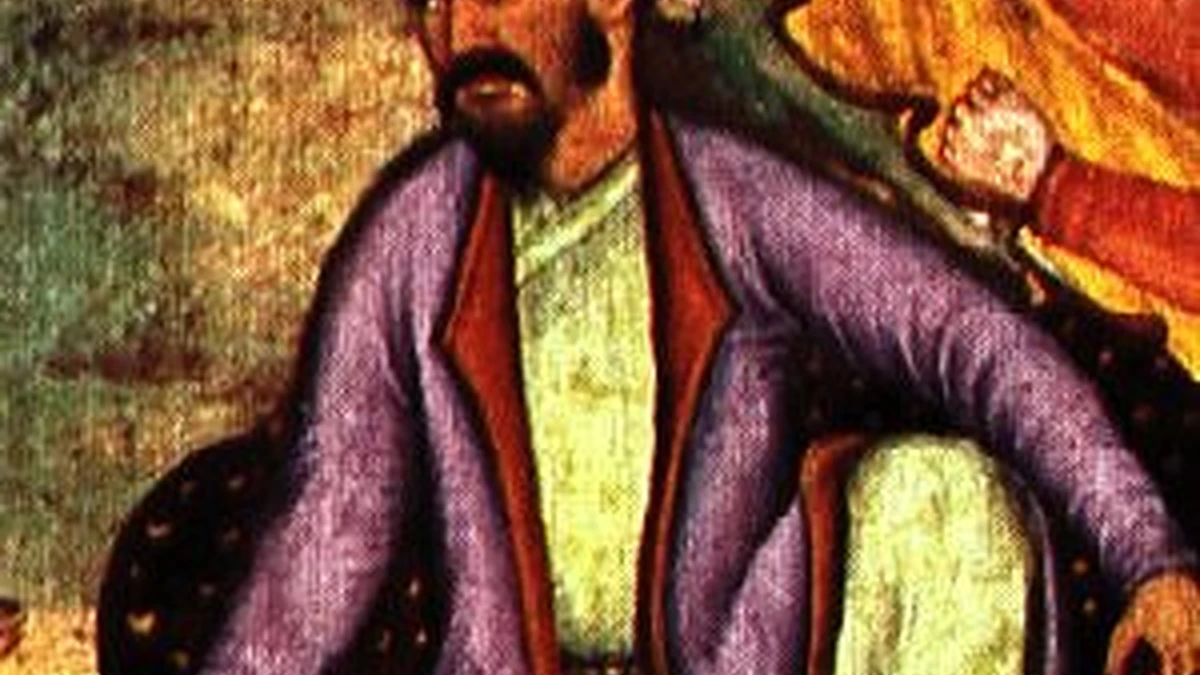
Comprehensive History of Pasrur Tehsil: From Baburnama to British Era. Important historical and research points: Zaheer-ud-Din Babur in his autobiography Tazak-e-Babri has specially mentioned the encampment of Pasrur and the establishment of the royal army during the campaign of 1526. During the Mughal rule, Pasrur Sarkar was one of the most important financial and administrative parganas (Tehsil) of Sialkot, which was recorded in Abul Fazl's Ayin-i-Akbari. During the reign of Emperors Jahangir and Shah Jahan, the historic pond and caravanserai of Pasrur on the royal route of Kashmir and Lahore were the center of the region. In 1867, the British government gave Pasrur the status of a municipal committee, whose monumental buildings and tehsil kacheri are still witnesses of history. The ancient foundation of the city of Pasrur and its origin Located in the fertile Rachna Doab region of Punjab, Tehsil Pasrur is a treasure of ancient history. According to historical traditions and colonial era land revenue records, the ancient foundation of Pasrur is attributed to the reign of Rajput Raja Paras Ram, after whom the town was later corrupted to "Pasrur". The British researcher Mr. Prinsep wrote in his systematic review (1865) that Pasrur has been a major center of agricultural production due to its geographical location close to the natural flow of the Nala dykes from the foothills of the Himalayas. Authentic references of the Mughal era: Evidence of Tazak-i-Babri and Ayin-i-Akbari The most authentic and earliest reference to Pasrur in historical books is found in Baburnama, the famous autobiography of Zaheeruddin Muhammad Babur, the founder of the Mughal Empire. While recording the events of the year 1525 and 1526, Babur writes that when his army advanced from Kabul towards Punjab and captured Sialkot, his forerunners stayed in the vicinity of Pasrur. Babur praised the region for its greenery, springs and abundance of resources. There is a regular entry of "Parganah Pasrur" under Lahore province in Ayin-i-Akbari authored by Abul Fazl, the court historian of Emperor Akbar the Great. According to the Mughal Gazetteer, Pargana Pasrur received annual revenue of lakhs of rupees from the royal treasury and the area was famous for recruiting cavalry and archers. Shahi Pond and Encampment of Mughal Sultans During the Mughal era, when the royal caravans used to leave from the capital Delhi and Lahore for sightseeing in Kashmir, the route of Gujranwala, Aymanabad, Pasrur and Sialkot was called the Shahi Pass. This region is also mentioned in the Tazak-e-Jahangiri of Emperor Jahangir. During the reign of Mughal Emperor Shah Jahan, a special order was given for the construction and repair of the well-known "Shahi Talab" (Grand Historic Tank) of Pasrur so that fresh water could be stored for the royal army and travelers. This pond has been the identity of Pasarur for centuries. British Raj: Tehsil level, Kachhari and railway network After the decline of the Sikhs and the occupation of Punjab by the British East India Company in 1849, Pasrur was administratively made a permanent tehsil of Sialkot district. According to the Sialkot District Gazetteer (1883-84): "Pasrur is an ancient and densely populated tahsil head-quarters, 18 miles south-east of Sialkot. The grain market here is the chief commercial center of the surrounding villages, where basmati rice and wheat are extensively traded. In 1867, a municipal committee was established in Pasrur and a British-style Tehsil Kachhari, a civil hospital and a police station were established on Kachhari Road. Around 1915, the British Railways laid a railway line from Sialkot to Narowal, which connected Pasrur to the wider railway network of the subcontinent and increased its economic importance manifold. 📚 References to historical sources, documents and books: Tazak-i Babri (Babur Nama): Zaheeruddin Muhammad Babur, Events 932 Hijri (1526 AD), Urdu translation by Rashid Akhtar Nadvi. Ayin-e-Akbari: Allama Abul Fazl, Volume II, Enrollment of Parganahs of Lahore Province and Sarkar Sialkot. Gazetteer of the Sialkot District (1883-84): Published by Punjab Government, Lahore (Civil and Military Gazette Press). Settlement Report of Sialkot District (1865): By E. Prinsep, Settlement Officer. Imperial Gazetteer of India: Provincial Series, Punjab, Vol. II, pages 84-88.
- اسپانسرڈ اشتہار / Advertisement -
پسرور اور سیالکوٹ کے لیے سپانسرڈ بینر اسپیس
سیالکوٹ اور پنجاب بھر میں اپنے برانڈ کو نمایاں کریں
اشتہار بک کروائیں
Follow Apna Pasrur Official WhatsApp Channel
Get breaking news, instant alerts, and district updates directly on your WhatsApp