
PunjabNov 10, 2026
🇵🇰 اردو میں پڑھیںLahore's toxic air: Will we continue to blame the weather?
- اسپانسرڈ اشتہار / Advertisement -
پسرور کا نمبر 1 ڈیجیٹل پورٹل - اشتہار کی جگہ
یہاں اپنا اشتہار یا بینر لگانے کے لیے ہم سے رابطہ کریں
اشتہار بک کروائیں
🎙️ اپنا پسرور ڈیپ ڈائیو (Google NotebookLM انداز)2-میزبان آڈیو پوڈکاسٹ
مستند قدرتی اردو گفتگو • میزبان: اسد اور عظمیٰ • اسٹوڈیو براڈکاسٹ
👨💼
اسد
میزبان و براڈکاسٹر
👩💼
عظمیٰ
تجزیہ کار و شریک میزبان
00:00--:--
🎧 مکمل پوڈکاسٹ سماعت کے لیے تیار ہے
مطالعہ کی سہولیات:
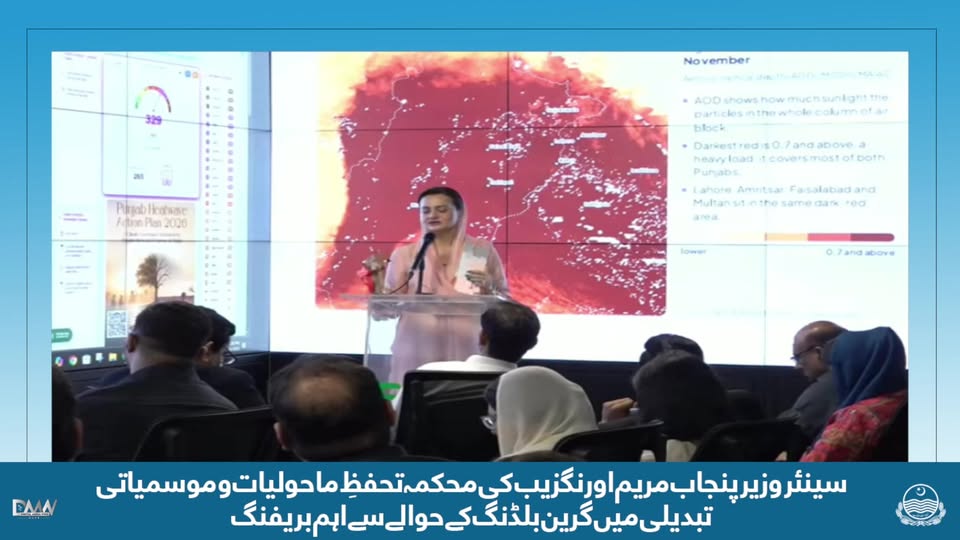
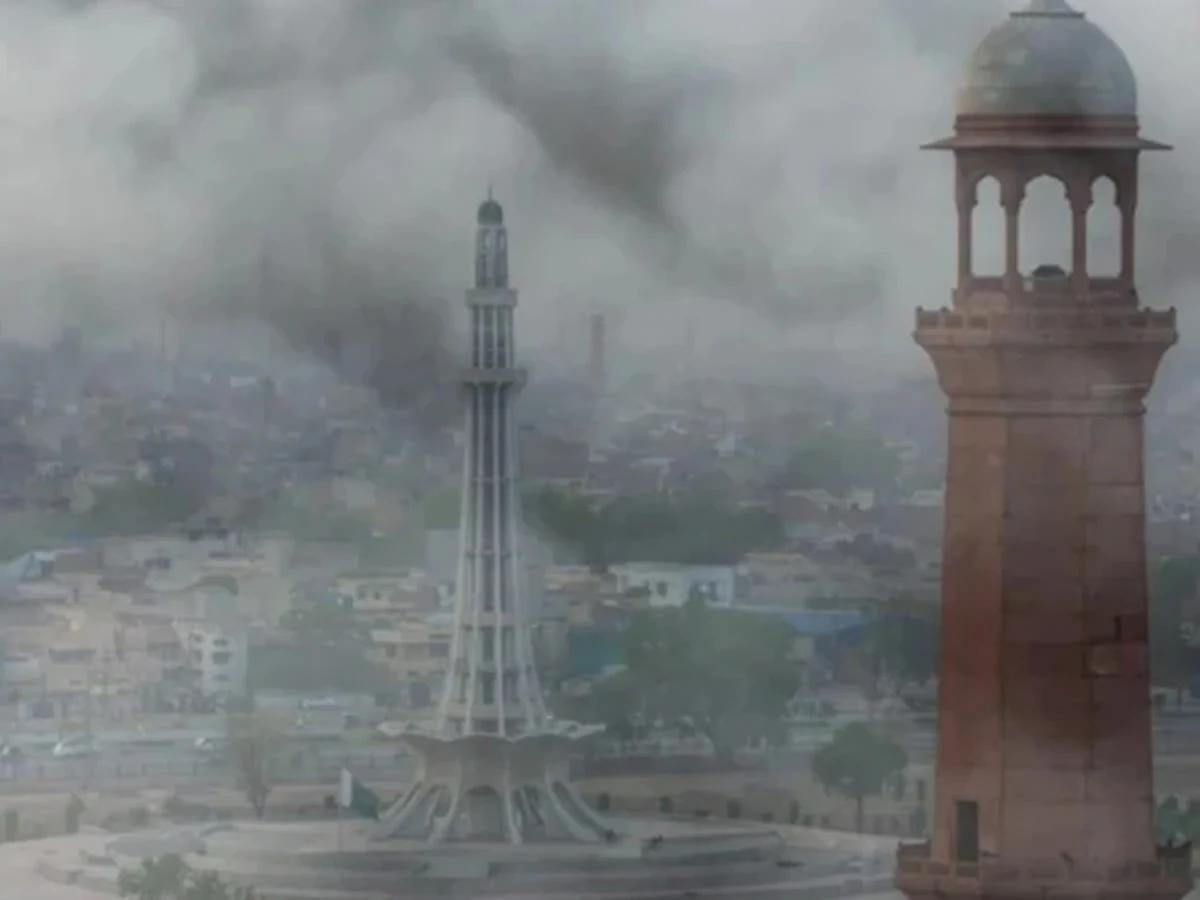
Lahore's toxic air: Will we continue to blame the weather? 📌 Key Highlights & Quick Takeaways: The atmosphere of Lahore has become toxic once again. At the beginning of November 2026, the city's Air Quality Index (AQI) crossed 530, the. Weather conditions also play a role in this crisis. In winter, the wind slows down, rainfall decreases, and the atmosphere near the ground i. Air pollution and smog? The atmosphere of Lahore has become toxic once again. At the beginning of November 2026, the city's Air Quality Index (AQI) crossed 530, the amount of fine particles (PM2. 5) in the air reached 343 micrograms per cubic meter and Lahore topped the list of the most polluted cities in the world. It's not just a city problem; This is the problem of our children's health, our economy and our daily life. Weather conditions also play a role in this crisis. In winter, the wind slows down, rainfall decreases, and the atmosphere near the ground is sealed under a lid, allowing smoke and dust to collect rather than disperse. But the weather is not under our control, while the emission of pollution is under our control. Therefore, controlling the sources of pollution has become not just an environmental priority for us but a necessity. In such a case, the question is, can we reduce our share of pollution instead of blaming the weather? The answer to this question is based on continuous and systematic measures on a scientific basis. Air pollution and smog? Air pollution refers to the particles and gases in the air that harm human health and the environment. The most dangerous of these is PM2. 5, i. fine particles less than two and a half microns in diameter. They are so small that they can pass through the lungs and reach the bloodstream through inhalation. According to the World Health Organization, the annual average of PM2. 5 should not exceed 5 and the 24-hour average should not exceed 15 micrograms per cubic meter. According to a report by the Pakistan Air Quality Initiative (PAQI), the annual average of PM2. 5 in Lahore is more than 110 micrograms per cubic meter, more than 22 times the global limit. Smog is a mixture of smoke and fog that forms when pollutants from cars, factories, furnaces, and fires collect near the ground in cold, still weather. That is, smog is not a natural disaster, but the result of a combination of human emissions and weather conditions. Weather can increase it, but our own emissions would create it. Official Wire Source & Legal Disclaimer Read ▼ 📰 Official Source & Legal Provenance: Express News Documented Wire Record Editorial & Legal Notice: Ingested and verified from official journalistic wire (Express News) under applicable press regulations. Full primary documentary sources are permanently archived.
- اسپانسرڈ اشتہار / Advertisement -
پسرور اور سیالکوٹ کے لیے سپانسرڈ بینر اسپیس
سیالکوٹ اور پنجاب بھر میں اپنے برانڈ کو نمایاں کریں
اشتہار بک کروائیں
Follow Apna Pasrur Official WhatsApp Channel
Get breaking news, instant alerts, and district updates directly on your WhatsApp